
Governor Umaru Bago Participates in Inaugural Meeting of Nigeria’s High-Level Livestock Development Committee
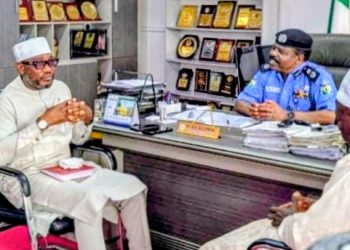
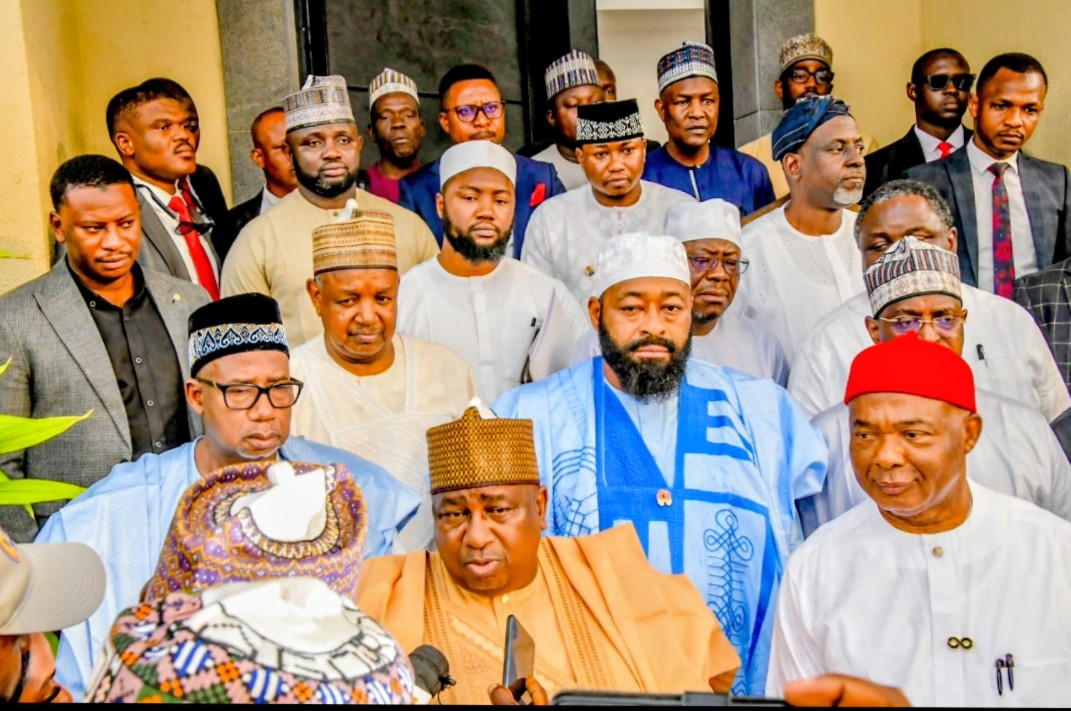
Niger State Governor and farmer Mohammed Umaru Bago was among the distinguished attendees at the inaugural session of the National Ad-Hoc High-Level Committee on Livestock Development in Nigeria, held at the Kebbi State Governor’s Lodge in Abuja.
Representing the North Central Region, Farmer Umaru Bago is a member of this committee, established to advise the National Economic Council (NEC) on strategies, policies, and interventions aimed at transforming the livestock sector into a sustainable, modern, and competitive industry aligned with national economic priorities.
The 155th NEC meeting constituted this committee, tasking it with overseeing initiatives such as the conversion of grazing reserves into communal ranches, policy review, and the identification of public-private partnership opportunities to enhance livestock development, export, and GDP contribution.
Kebbi State Governor and Committee Chairman, Dr. Nasir Idris, emphasized the importance of analyzing the committee’s mandate and revitalizing the livestock sector for the benefit of Nigerians. He noted that a sub-committee, chaired by the Minister of Budget and Economic Planning, Senator Abubakar Atiku Bagudu, has been established, with key ministers and stakeholders, including the Minister of Livestock, Idi Muktar, and the Minister of Agriculture and Food Security, Abubakar Kyari, serving as members.
Other members include the Coordinator of the Presidential Livestock Reform, Professor Attahiru Muhammad Jega, Commissioners of Budget from Bauchi and Kebbi States, the Commissioner of Finance from Cross River State, and all State Commissioners of Agriculture and Livestock, alongside representatives from various relevant agencies and private sector entities.
The committee members are expected to soon share their findings with the public. The chairman assured Nigerians of their capability to fulfill the mandate through careful selection and dedicated effort.
Key terms of reference include reviewing proposals for transforming grazing reserves into communal ranches, assessing existing livestock policies, and identifying opportunities for partnership and sector growth. The committee will also evaluate global frameworks and strategies for livestock development, aiming to adapt successful models within Nigeria.
Additionally, it will conduct a comprehensive analysis of Nigeria’s livestock sector, engage stakeholders from government and private sectors, and develop actionable plans for advancing livestock infrastructure and productivity.