
The Prospects of Niger State Sports Commission (NSSC) Under the Leadership of Its Pioneer Chairman, Comrade Danjuma Abdullahi Masu’s Six Months of Unprecedented Records.
By Yakubu Mustapha Bina
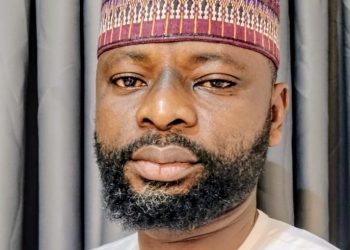
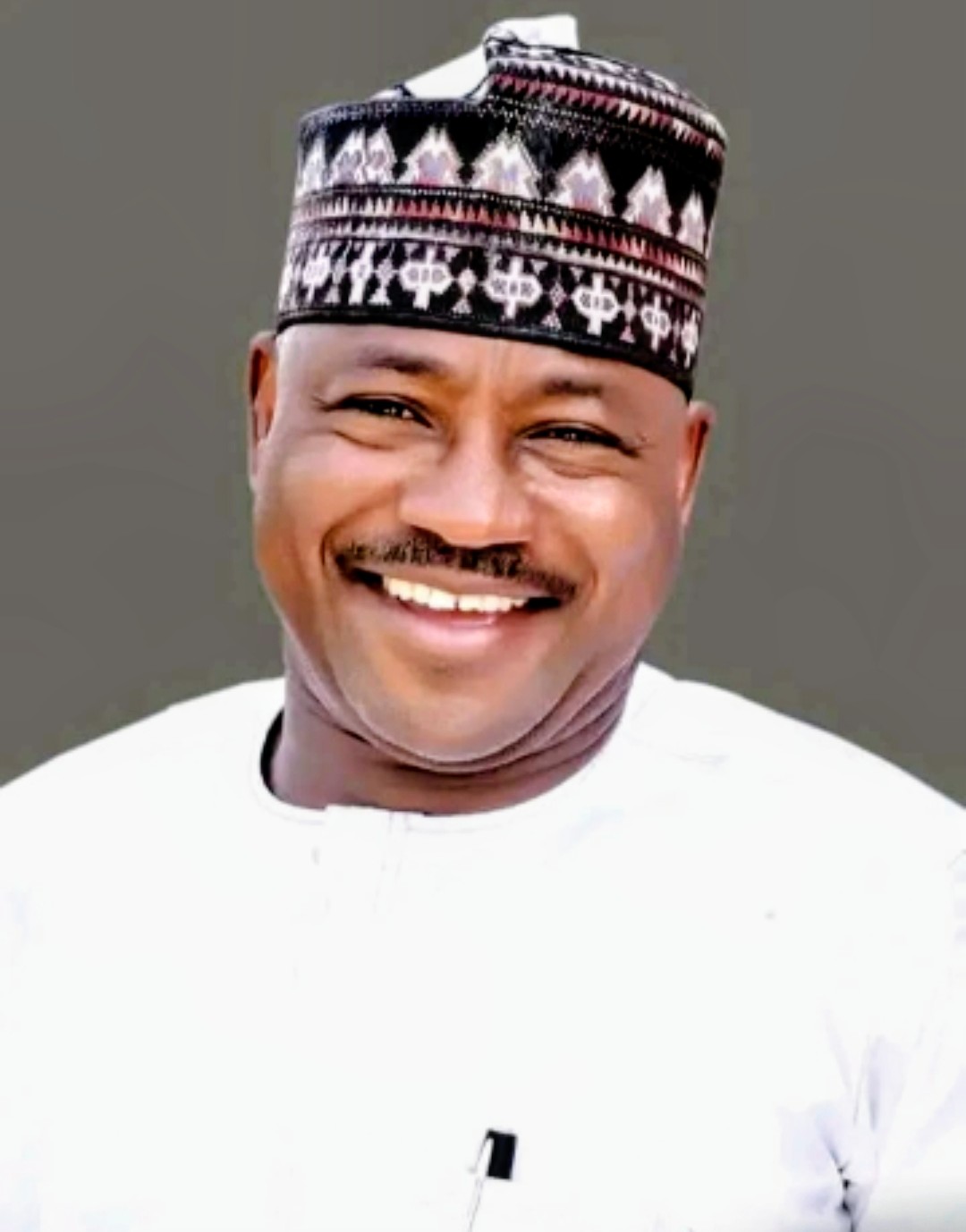
Honourable Danjuma Abdullahi Masu, born on 17th August 1972 into the Masu family, is the pioneer Chairman of the Niger State Sports Commission (NSSC). He was appointed on 22nd July 2025 by Governor Mohammed Umar Bago with the mandate to build the Commission from scratch, lay a solid foundation for sustainable growth, and reposition Niger State as a hub of sporting excellence in Nigeria.
Popularly known as Danjuma Masu among his admirers within and outside the state, he is a passionate sports enthusiast with over three decades of experience. He has seized the opportunity of his appointment to deploy his skills, knowledge, and leadership ability toward transforming the sports sector and restoring the state’s lost glory in sports.
Drawing from his vast experience and resilience in confronting challenges, Masu has consistently emphasized patience and commitment, often reminding stakeholders that development takes time. His leadership philosophy is rooted in sacrifice, discipline, and perseverance—principles he instills in staff, athletes, and officials.
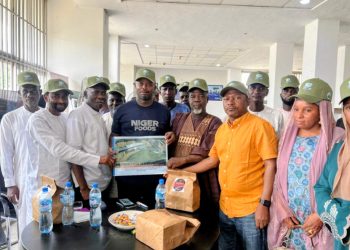
Within just six months, Masu’s leadership has earned widespread commendation from stakeholders for his zeal, empathy, commitment, competence, and hard work. Athletes and officials, including participants from the Team Niger Para Games Festival 2026 and the Abia Under-12 and Under-15 Handball Championships, have praised his results-oriented approach. Many noted that such impactful leadership within a short period is unprecedented, especially in a newly established Commission.
The youthful and energetic chairman has shown a deliberate commitment to reviving the lost glory of sports in Niger State. Known for his humility, openness, and approachable nature, Masu is deeply passionate about improving the lives of others, particularly the less privileged. His advocacy for youth development through sports reflects his belief in sports as a tool for social transformation.
Often described as someone who “eats, drinks, sleeps, and thinks sports,” Masu was initially concerned about the enormity of the task ahead due to the decay in facilities and structural deficiencies he inherited. However, leveraging over 30 years of experience, he has introduced policies aimed at revitalizing and redirecting the state’s sports sector.
His inclusive leadership style, where staff and athletes are treated like family, has fostered unity and confidence within the system. By prioritizing the welfare of athletes, he has created an enabling environment for success—earning him the reputation of a “goal-getter.”
Masu’s journey in sports began at the age of seven during his primary school years and continued through secondary school, where he served as a captain, games prefect, and class monitor. His talent earned him opportunities at the national level and eventually admission offers from four universities, although he attended one.
At the university level, he excelled in handball, winning gold medals and participating in West African University Games and national championships. He represented Nigeria at international competitions, including African Championships and the Commonwealth Games. Although he narrowly missed the Olympics, his experiences shaped his vision to restore excellence in sports.
He later served as Chairman of the Handball Association, leading the state team to continental recognition, and was also part of the Niger Tornadoes management board. Motivated by his background and the realities faced by many athletes from underprivileged backgrounds, Masu is committed to using sports as a platform to uplift lives.
His vision for the NSSC focuses on restructuring sports administration, encouraging participation in competitions, and reducing youth involvement in social vices. He aims to position Niger State among the top five sporting states in Nigeria by developing future champions.
Since assuming office in August 2025, his achievements have been remarkable. His first major outing at the Youth Games in Asaba, Delta State, yielded seven medals—one of the state’s best performances. He also improved the operations of Niger Tornadoes Football Club, ensuring better motivation through timely allowances.
After years of inactivity, Niger State resumed participation in wrestling championships and secured a bronze medal in 2026. At the Abia 2026 Under-12 and Under-15 Handball Championship, the state emerged overall champions and is set to represent Nigeria in Spain. Similarly, at the Abuja 2026 National Para Games Festival, the state won one gold, three silver, and one bronze medal.
To further motivate athletes, the NSSC disbursed N1.3 million as incentives to medal winners, with plans for a state reception by the governor.
Within six months, the state hockey team secured third place in the National Premier League, qualifying for international representation in Zimbabwe. Niger Potters Club, dormant for 15 years, was revived and promoted to the premier division after hosting the national championship. The taekwondo team also recorded unprecedented success, winning two gold and one silver medal at a national championship in Abuja.
The state’s Scrabble team continues to excel, with young talents representing Nigeria internationally. Likewise, the badminton team participated in competitions in Rwanda, winning multiple bronze medals, while Aliyu Abubakar from Niger State is currently ranked among Nigeria’s top badminton players.
These achievements underscore what many describe as unprecedented progress in just six months—far surpassing what had been recorded in over a decade. This is actually demonstration of an adage of ‘Puting a round peg in a round hole’ by Governor Mohammed Umar Bago.
Despite these successes, challenges remain. Financial constraints, infrastructural deficits, and limited corporate support continue to hinder optimal performance. However, the Commission remains committed to transparency, accountability, and sustainable development.
Support has so far come primarily from the state government, the Niger State Internal Revenue Service, and the Ministry for Local Government and Chieftaincy Affairs. There is, however, a strong need for increased private sector participation through partnerships, sponsorships, and corporate social responsibility initiatives.
Sports development requires collective effort. Greater involvement from individuals, organizations, and philanthropists is essential to sustain and expand the progress achieved so far.
Worthy of note is the fact that, the NSSC under the leadership of Honourable Danjuma Abdullahi Masu has demonstrated remarkable progress within a short period. With continued support, patience, and collaboration from stakeholders, Niger State is well on its way to becoming a leading force in sports development in Nigeria.
Yakubu Mustapha Bina is a journalist and an Analyst from Minna Niger state
On 15th April, 2026