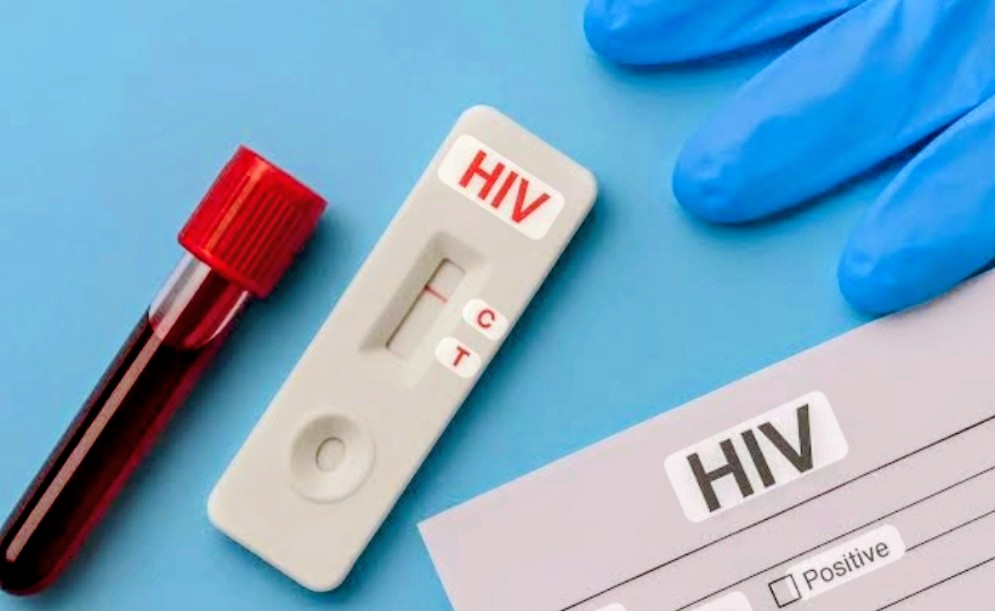

Over 33,000 Person’s Currently Receives HIV Treatment In Niger.
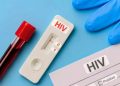
The Niger State Programme Officer for HIV, Yakubu Abdulakeem, has disclosed that no fewer than 33,558 persons are currently receiving anti retroviral therapy (ART) across the state.
He disclosed this while speaking to newsmen in Minna over the weekend,adding that treatment is being provided in 37 ART facilities, which include 5 private health facilities, 9 rural hospitals, 2 tertiary hospitals, and 21 general hospitals.
According to Abdulakeem, the national target for people living with HIV/AIDS (PLHIV) in Niger State is 38,911,wiith 33,558 already on treatment,the state has made significant progress,though there remains an unmet gap of about 5,000 individuals.
He explained that this gap is influenced by factors such as patient deaths,transfers to other facilities, loss to follow up, and migration of individuals who are already on treatment in other states but later relocate to Niger State.
He revealed that HIV was first detected in Nigeria in 1985 and publicly reported in 1986 at an international AIDS conference.
The earliest documented cases involved a teenage girl and a commercial sex worker by the late 1980s and early 1990s,saying that HIV cases were being reported across multiple states,including Niger State, as surveillance systems expanded.
“.Available data from NACA and state level reports show that Niger State began reporting HIV prevalence in the 1991 national survey, which find a 1.8% national prevalence,Currently,Niger State’s prevalence stands at 0.7% (NAIIS, 2018) — the lowest in the North Central region.
Abdulakeem noted several challenges confronting the HIV programme, includes,inadequate test kits, stigma, poor adolescent and pediatric HIV case management,low awareness,and limited sensitization platforms, noting that despite government support for essential drugs and medicines,access to some remote areas remains difficult due to insecurity.
He highlighted the role of implementing partners such as the Center for Clinical Care and Clinical Research of Nigeria (CCCRN), TB Leprosy Mission Nigeria (TLMN), Heartland Alliance (HA), and the Institute of Human Virology of Nigeria (IHVN),these organizations according to him support HIV case funding,client enrollment into care, tracking of defaulters, PrEP initiation,and other services, stressing that their efforts have significantly improved linkage rates and retention in care.
“.Treatment facilities in Niger State include Federal Medical Center (FMC) Bida, Federal Medicine and Practitioner Center (FMPC) Gawu Babangida, Basic Health Centre (BHC) Wawa, Comprehensive Health Center (CHC) Zungeru, as well as General Hospitals in Minna, Bida, Suleja, Kontagora, Mokwa, New Bussa, Bangi, Tunga Magajiya, Kutigi, Kagara, Wushishi, Agaie, Lapai, and Umaru Musa Yar’Adua Hospital Sabon Wuse. Other facilities include MPHCC Makera, Rural Hospital Sarkin Pawa,Old Airport Clinic, PHC Tunga Clinic, PHC Bosso, PHC Beji, CHC Madalla, Town Clinic Suleja, Savanna Hospital, Standard Hospital, Lucals Hospital, Suzan Hospital, and Al Azeez Medical Center.
The Programme Officer further hinted that bottlenecks such as insecurity affecting patient access to drug refills and appointments, inadequate HIV/Syphilis dual test kits at antenatal clinics, sub optimal testing of pregnant women, and high rates of viral hepatitis B among pregnant and breastfeeding mothers.
He also stressed the need for upgrading and maintaining GeneXpert machines to reduce viral load and early infant diagnosis turnaround times across hub sites