
Nigerian Imams Protest Unfair INEC and Party Election Schedules
By Yahaya Zakka
The Association of Nigerian Imams has protested against the unfair and unjust scheduling of INEC and political party election activities that often clash with Islamic religious obligations. They are calling for restraint to ensure respect and dignity for all faiths in Nigeria.
Representing millions of Muslim faithful nationwide, the association has expressed deep concern and a sincere commitment to maintaining unity, fairness, religious harmony, and constitutional freedoms that define Nigeria.
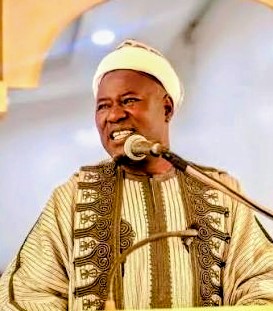
The national secretary of the forum, Imam (Dr.) Umar Farooq Abdullahi, issued an official complaint titled: “Concern Over the Impact of Politics and Electoral Scheduling on Islamic Religious Obligations and Request for Institutional Consultation,” from Minna, Niger State.
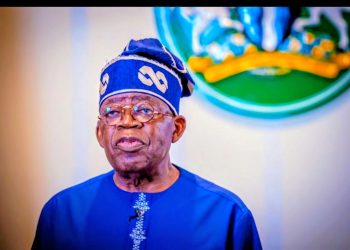
The letter, addressed to President Bola Tinubu and copied to the Minister of Interior, the National Hajj Commission of Nigeria (NAHCON), and the Independent National Electoral Commission, highlights the increasing difficulties faced by Muslim citizens due to scheduling conflicts between political activities and Islamic observances.
Acknowledging the heavy responsibilities of governance and electoral management, the forum urges greater sensitivity and consultation to prevent citizens from being forced to choose between participating in politics and fulfilling their religious duties.
The concern centers on scheduling political events—particularly primaries, conventions, and other critical activities—during times that overlap with Hajj and Umrah obligations.
“The timing of the recently concluded political activities, particularly within major political parties, coincided with preparations for this year’s Hajj exercise and significantly affected the ability of many public officials, political officeholders, aspirants, delegates, and other politically active citizens to undertake the pilgrimage.”
Another issue raised pertains to the current election timetable and its potential impact on Ramadan observance before the 2027 general elections. Ramadan, a sacred month dedicated to fasting, prayer, Qur’anic recitation, charity, reflection, self-discipline, and worship, holds a central place in Muslim spiritual life.
As a country committed to religious freedom and inclusion, Nigeria should aim to schedule major national activities to avoid conflicts with periods of profound religious significance. Such sensitivity fosters national unity and respects all citizens’ beliefs and practices.
Imam Abdullahi emphasized, “Your Excellency, these concerns should not be viewed as isolated grievances. Rather, they reflect the need for a more structured and institutionalized framework for consultation between government institutions and faith-based organizations on matters of national scheduling that may have significant implications for religious observance.”
He stressed that addressing these issues is about fairness, inclusion, constitutional duty, and national unity, not politics or favoritism.
He recommended establishing formal consultation mechanisms requiring government bodies, electoral agencies, and political parties to engage recognized religious leaders before setting election, primary, or other major dates that could conflict with religious obligations.
He also suggested strengthening coordination with NAHCON, the Nigerian Supreme Council for Islamic Affairs (NSCIA), and other faith-based organizations when planning activities affecting Hajj and Umrah.
Further, political parties should avoid scheduling mandatory conventions, primaries, delegate elections, and key political events during the Hajj season whenever possible.
He urged greater sensitivity to Ramadan by scheduling elections and political activities carefully to prevent hardship for observers of the holy month.
The government should reaffirm its commitment to religious inclusion by publicly assuring Nigerians that their religious obligations and constitutional rights will continue to be prioritized in national decisions.
The association reaffirmed its dedication to promoting peace, national development, responsible citizenship, interfaith harmony, and constructive dialogue with government at all levels. They trust that your Renewed Hope Administration will consider these concerns thoughtfully and take appropriate actions to bolster confidence in the fairness and inclusiveness of Nigeria’s institutions.