

European Leaders React to U.S. Tariff Threats Over Greenland Dispute
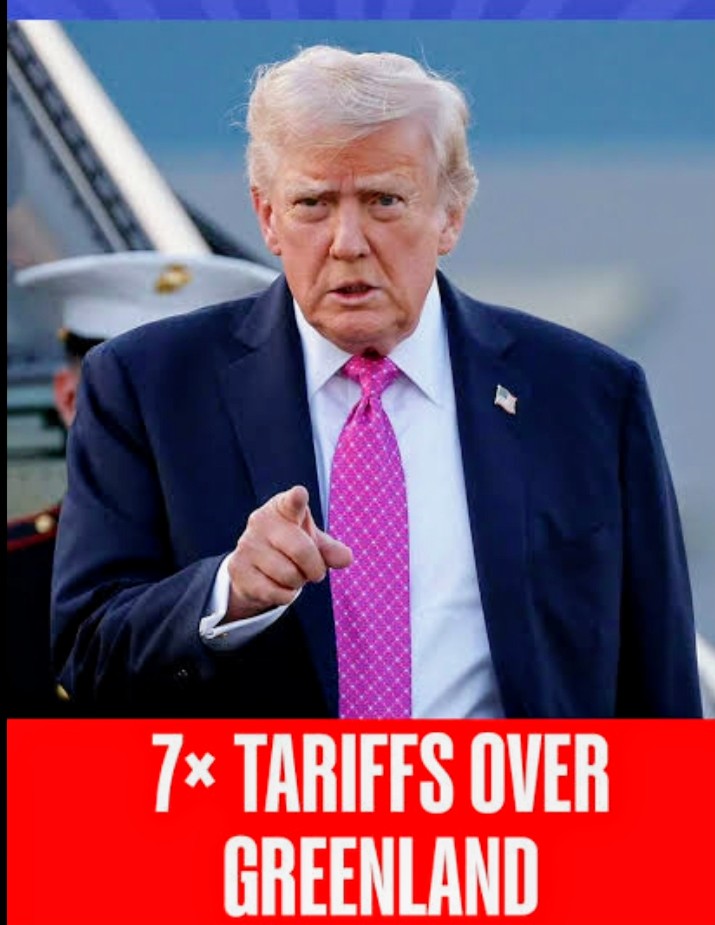
European leaders expressed their concern and disappointment on Saturday following U.S. President Donald Trump’s announcement of a 10 percent tariff on imports from eight European countries, effective February 1. The tariffs, citing disagreements over Greenland, would encompass goods from Denmark, Norway, Sweden, France, Germany, the United Kingdom, the Netherlands, and Finland.
The proposed levy would increase to 25 percent starting June 1 and remain until a complete purchase agreement on Greenland is reached, according to Trump’s statement on Truth Social.
EU Council President António Costa criticized the tariff threats, emphasizing the need for open markets and economic integration instead of tariffs. He remarked during the signing of a free trade agreement between the EU and Mercosur in Paraguay, “If we want prosperity, we must open markets, not close them. We must create zones of economic integration, not raise tariffs.”
Costa reaffirmed the EU’s commitment to defending international law, particularly within member states’ territories, amid Trump’s looming tariffs.
Trump has indicated his desire to acquire Greenland to enhance Arctic security, citing regional threats from China and Russia. Greenland, with a population under 57,000, has stated it does not wish to join the United States. NATO allies argue Greenland’s security does not require U.S. control.
European Commission President Ursula von der Leyen and Costa warned that tariffs could damage transatlantic relations and cause a downward spiral, emphasizing that Europe remains united and committed to sovereignty.
Despite an agreement last year on a customs deal, which includes a 15 percent U.S. duty on most European goods and the removal of tariffs on U.S. industrial products, approvals are pending in the European Parliament. The deal also outlines the potential for countermeasures.
EU member states plan to meet on Sunday to discuss possible responses to Trump’s threats, including the use of trade defense instruments that allow tariffs and measures as a last resort.
Trump’s irritation arose from European NATO troops conducting Arctic reconnaissance missions on Greenland, which he criticized as potentially hazardous for global security. Conversely, von der Leyen and Costa stated the exercises support Arctic security and do not threaten anyone.
In solidarity, the EU supports Denmark and Greenland, emphasizing dialogue and cooperation. Arctic military exercises are expected to continue into 2026 or 2027, involving NATO members and exploring joint training opportunities, as confirmed by Arctic Command head Søren Andersen.