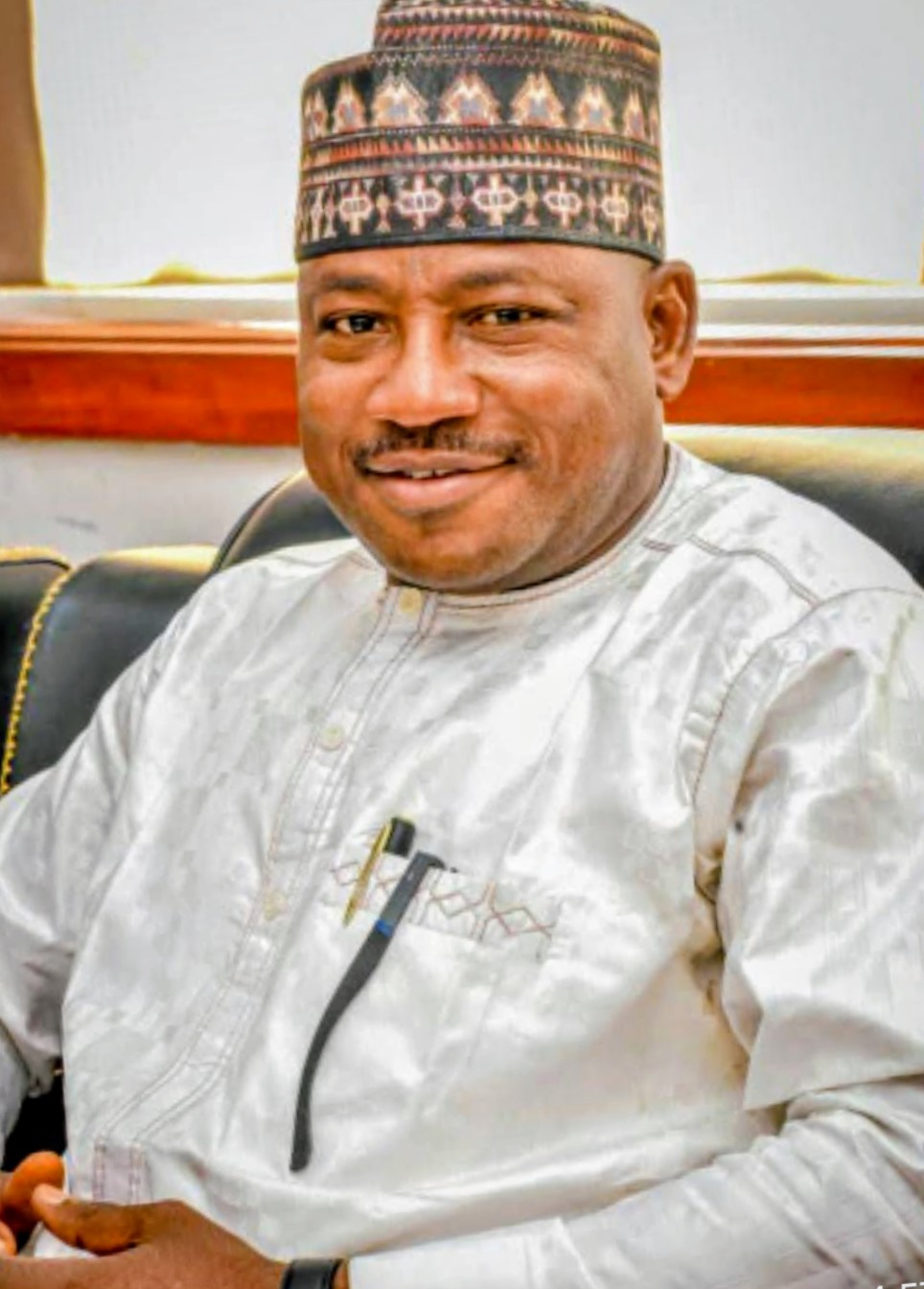

Hon Danjuma Masu Working Round The Clock To Reposition Sports Sector and Bringing Back Sports Glory In Niger State.
When the Niger State Sports Commission (NSSC) was established sometime last year, just a few people expected that the newly created institution would make such a profound impact in such a short time. Yet, within months, the sporting climate of Niger State has undergone a remarkable transformation, one driven by the vision, experience, and grassroots passion of Hon. Danjuma Abdul Masu, the pioneer Chairman of the Commission.
Unlike many public officials who rise through political structures, Hon. Masu’s path is rooted in decades of personal commitment to sports. Long before the Commission existed, he was widely known across the state and beyond as an athlete, sports administrator, and philanthropist who invested his time and resources to support sports development. His deep involvement gave him an intimate understanding of the systemic gaps in Niger State’s sports sector.
For years, the state operated through the Niger State Sports Council, which was later changed to the Ministry of Youth Affairs and Sports Development, providing general oversight. While functional, the ministry lacked the specialized focus and operational flexibility required for modern sports development.
Recognizing this, Hon. Masu, as a private individual passionate about youth engagement and sports excellence, championed the idea that Niger State needed a dedicated Sports Commission. He sponsored a private member bill and advocated vigorously for the model now considered the global best practice, an autonomous body equipped with the technical capacity and long-term structure necessary for true sporting growth. His early advocacy contributed significantly to the eventual establishment of the Niger State Sports Commission.
Fortunately, Hon. Danjuma Masu was appointed as the pioneer chairman of the newly established sports commission. Since assuming office, he has wasted no time setting the Commission in motion.
One of the most dramatic achievements under his leadership is the revival of long-abandoned sporting facilities. The once-neglected 123 Indoor Sports Hall, which had remained unused for nearly 14 years, now stands restored and active. The facility, once a symbol of decay, is again alive with training sessions, competitions, and vibrant sporting activities. The facility recently hosted the 2025 National Division One Basketball League (Savannah Conference), tagged “Bago National Division One Basketball League.” This single achievement has restored confidence among athletes and stakeholders who had long felt sidelined, reflecting a broader commitment to restoring and modernizing Niger’s sports architecture.
Athlete welfare has also changed significantly. Prior to the Commission’s creation, many sportsmen and women felt neglected and discouraged. Hon. Masu introduced reforms that prioritize their welfare, motivation, and sense of belonging. Improved incentives, structured training support, and increased participation in competitions os helping in rebuilding trust and enthusiasm among athletes. These improvements have contributed to Niger State’s commendable performance at national events including the National Youth Games and the National Sports Festival.
One of the most celebrated successes under the new administration is the return of Niger Potters Basketball Club to the elite National Basketball League. Once one of Nigeria’s most respected basketball teams, the Potters suffered setbacks due to years of underfunding and declining infrastructure. Under the renewed support of the Commission, they secured promotion back to the top league, restoring the team’s prestige and energizing the state’s sporting community.
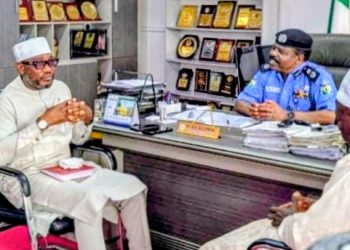
A defining feature of Hon. Masu’s leadership is his open-door policy. His office has become a melting pot of ideas, attracting coaches, athletes, community sports leaders, national sports associations, and international partners. He has forged strategic synergies with financial institutions, sportswear companies, equipment manufacturers, grassroots clubs, and national bodies. These collaborations are already opening doors to new opportunities for sponsorships, technical support, and facility upgrades.
The state football club, Niger Tornadoes FC is doing well in the current NPFL campaign. For about eight years, the team plays its home matches away from home, borrowing pitches from other states for its home matches of the NPFL. As at today, the team has completed the first stanza of the 2025/2026 league season, playing all its home matches at the late Bako Kontagora Stadium in Minna. For this feat, the fans of the club and other stakeholders have applauded the Commission under Hon. Danjuma Masu.
The progress recorded so far has also been strengthened by the unwavering support of the Niger State Governor, Hon. Mohammed Umar Bago, popularly known as the Farmer Governor. His administration’s commitment to youth development, productive engagement, and infrastructural growth under the New Niger Agenda has provided the enabling environment for the Commission’s rapid achievements. Governor Bago’s political and financial backing has allowed the Commission to implement its programmes with speed and confidence.
What Niger State is witnessing today in the sports sector through the Sports Commission is not a temporary push, but the foundation of a new sporting identity, one built on professionalism, collaboration, and long-term planning. The revitalization of facilities, improved welfare, restored pride, and expanded partnerships point to a state determined to reclaim its place in Nigeria’s sports landscape. The slogan “New Niger, New Sport” is not a mere slogan but a dream that must be realized.
At the heart of this unfolding transformation is Hon. Danjuma Abdul Masu, whose passion-driven leadership is restoring hope among athletes and stakeholders and repositioning Niger State as an emerging powerhouse in Nigerian sports. If the current momentum continues, the state is poised not only to regain its lost sporting glory but to surpass it, setting new standards for excellence and youth development in the years ahead.