

Breaking : Boko Haram Kidnaps Over 400 in Borno, Issues 72-Hour Ultimatum, Demands ₦5 Billion
Boko Haram insurgents have kidnapped more than 400 women and children in Borno State, issuing a stark 72-hour ultimatum to the Federal Government.
The group demands a ransom of ₦5 billion and warns that irreversible action will be taken if their demands are not met within the specified timeframe. As the deadline nears, fears and anxieties are rising among families and the wider community nationwide.
Sources report that the attackers descended on the Ngoshe community in Gwoza Local Government Area in large, heavily armed groups, quickly overpowering the area.
During the raid, they captured women and children and took them into captivity, operating with remarkable speed and coordination to ensure a swift escape before resistance could be organized. The community now grapples with trauma and uncertainty.

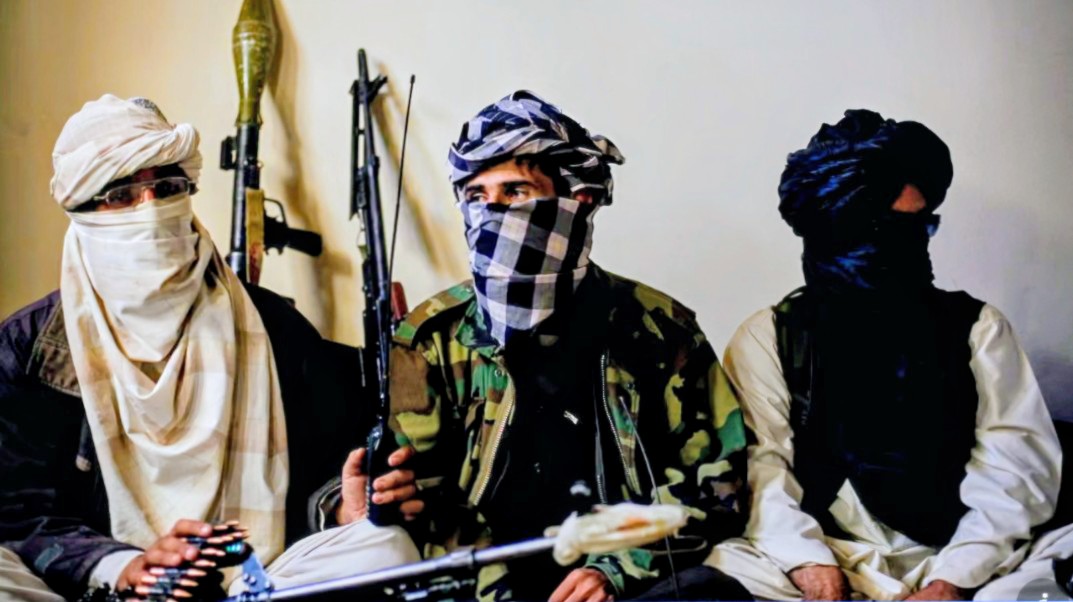
A widely circulated video showed masked insurgents delivering a direct and ominous warning, emphasizing that any rescue attempt could lead to severe consequences, heightening fears among residents and observers.
Families of the abductees are pleading for immediate intervention, with many expressing deep anguish while awaiting updates. Community leaders are urging authorities to act swiftly to secure the captives and prevent further tragedy.
Civil society organizations, including the Borno South Youth Alliance, have called for urgent action from Federal government officials, especially President Bola Ahmed Tinubu and Governor Babagana Zulum, stressing that this crisis requires immediate national attention. “This situation affects the entire nation,” the group asserted.
Historically, mass kidnappings have been a recurring tactic used by Boko Haram to pressure authorities and secure ransom, with this incident reviving painful memories of past tragedies and emphasizing the need for long-term strategies.
As the countdown continues, the government faces critical choicesnegotiation or strategic rescue each fraught with risks, complicating the response.
The coming hours are crucial; prompt, decisive action could avert disaster, while delays may lead to severe consequences. All eyes remain on Nigeria’s response to this urgent security challenge.