

Audit report flags N100bn irregularities in six FCT councils
By Our Correspondent
The Audit report has uncovered extensive financial irregularities totaling over N100 billion across six area councils in the Federal Capital Territory (FCT), raising renewed concerns about fiscal discipline and accountability at the local level.
The report, prepared by the Office of the Auditor-General for the FCT Area Councils, accuses Abaji, Abuja Municipal Area Council (AMAC), Bwari, Gwagwalada, Kuje, and Kwali of multiple breaches of public finance regulations during the 2021 fiscal year.
The findings reveal a pattern of weak internal controls, poor record-keeping, and non-compliance with statutory financial obligations.
According to the audit, the irregularities include unremitted statutory deductions, unaccounted expenses, and failures in asset management.
These violations are estimated to total over N100 billion, representing both direct liabilities and funds that the councils could not properly reconcile.
Specifically, the report highlights the failure of several councils to remit deductions such as Pay-As-You-Earn (PAYE) taxes, pension contributions, Value Added Tax (VAT), and withholding taxes to the appropriate authorities.
In many cases, deductions were made from staff salaries or contractor payments but were not transferred as required by law.
Additionally, auditors observed that some councils did not keep current fixed asset registers, making it difficult to verify the existence, condition, or valuation of public assets under their control.
This lapse, the report notes, exposes government property to loss, misuse, or unauthorized disposal without detection.
The audit also questioned expenditures on personnel costs, overheads, and capital projects, noting that significant amounts were poorly documented or lacked sufficient supporting records.
In several cases, funds allocated for capital development could not be clearly linked to completed or ongoing projects, raising concerns about value for money.
Beyond the 2021 fiscal year, the report indicates that similar weaknesses continued into 2022 and later periods, including issues like revenue under-reporting and ongoing non-compliance with financial regulations.
Auditors warned that unless corrective measures are taken, these practices could undermine service delivery and public trust at the local government level in the FCT.
In response to the findings, the House of Representatives Public Accounts Committee (PAC) has summoned the chairpersons and key finance officials of the affected councils to provide explanations.
The committee stated that this is part of its constitutional responsibility to ensure accountability in public fund management.
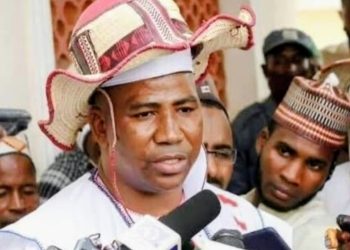
Chairman of the committee, Rep. Bamidele Salam, emphasized that the audit findings are serious and require immediate action.
He said the councils must respond to the queries raised and submit relevant financial documents to justify their spending and accounting practices.
The committee also expressed concern that several FCT area councils have failed to submit audited financial statements for subsequent years, viewing this as a breach of statutory requirements.
Lawmakers warned that continued neglect of audit obligations could lead to sanctions.
As scrutiny increases, governance experts say the outcome of the legislative investigation will be closely monitored, especially amid ongoing debates over transparency and financial independence at the local government level.
The audit report, they argue, highlights the urgent need for stronger oversight mechanisms and stricter enforcement of public finance rules within the FCT area councils.