
EFCC to Bala Mohammed: We Are Independent, Not Political Tools
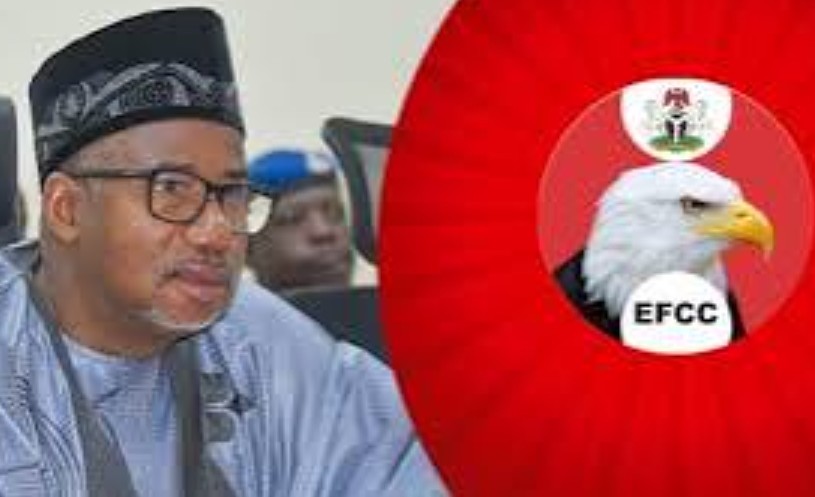
The Economic and Financial Crimes Commission (EFCC) has rejected allegations by Bauchi State Governor Bala Mohammed that his political opponents are using the agency to persecute him and members of his administration.
In a statement issued on Friday, the anti-graft agency described the claims as “wild” and “far-fetched,” insisting that it operates as an independent, non-partisan institution guided strictly by law.
The EFCC said attempts to portray it as a political tool allegedly deployed at the behest of the Minister of the Federal Capital Territory, Nyesom Wike, are “mischievous and condemnable.”
“The Commission is an independent agency created to fight economic and financial crimes. It discharges its mandate without affection or ill will,” the statement read, adding that no political office holder is in a position to influence its investigative activities.
Reacting directly to the governor’s claims, the EFCC said it was derogatory to link its actions in Bauchi State to the influence of any individual, stressing that its operations are based solely on evidence and existing laws.
The commission further stated that Governor Mohammed was already standing trial for alleged money laundering at the time he won election as governor, noting that only the constitutional immunity attached to his office stalled the prosecution.
“If Bala Mohammed wants to be honest, he would have revealed to Nigerians that he was standing trial for money laundering at the time he won election as governor,” the EFCC said, questioning who allegedly influenced the commission when it investigated and charged him in 2016.
Regarding the ongoing cases involving some Bauchi State government officials, the EFCC stated that the facts have already been presented to the court and are accessible to the public.
“Members of the public can access the charges and decide for themselves whether the case is borne out of vendetta or is a product of painstaking investigation,” the agency said, explaining that the governor was mentioned in the charges as the approving authority in the state.
Addressing claims that the commission was using allegations of terrorism financing as a pretext, the EFCC stated that it merely enforces existing laws and would be failing in its duty if it ignored offenses punishable under Nigerian law.
The agency also accused politicians of double standards, noting that allegations of persecution are often raised only when opposition figures are involved.
“Recently, the Commission arraigned a ranking member of the ruling party in court for alleged corruption, and not a whimper of persecution was heard from any political divide,” it said.
The EFCC concluded by urging Governor Mohammed to focus on the governance of Bauchi State while allowing the commission to carry out its mandate of safeguarding Nigeria’s financial system.