

Standards Organisation of Nigeria Officially Launches Initiative to Elevate Rice Production Standards in Niger State
By Rashidat AbdulRahman
The Standards Organisation of Nigeria (SON), Niger Foods, and AGRA have jointly launched a comprehensive training program aimed at enhancing food safety and boosting rice productivity among farmers in Niger State.
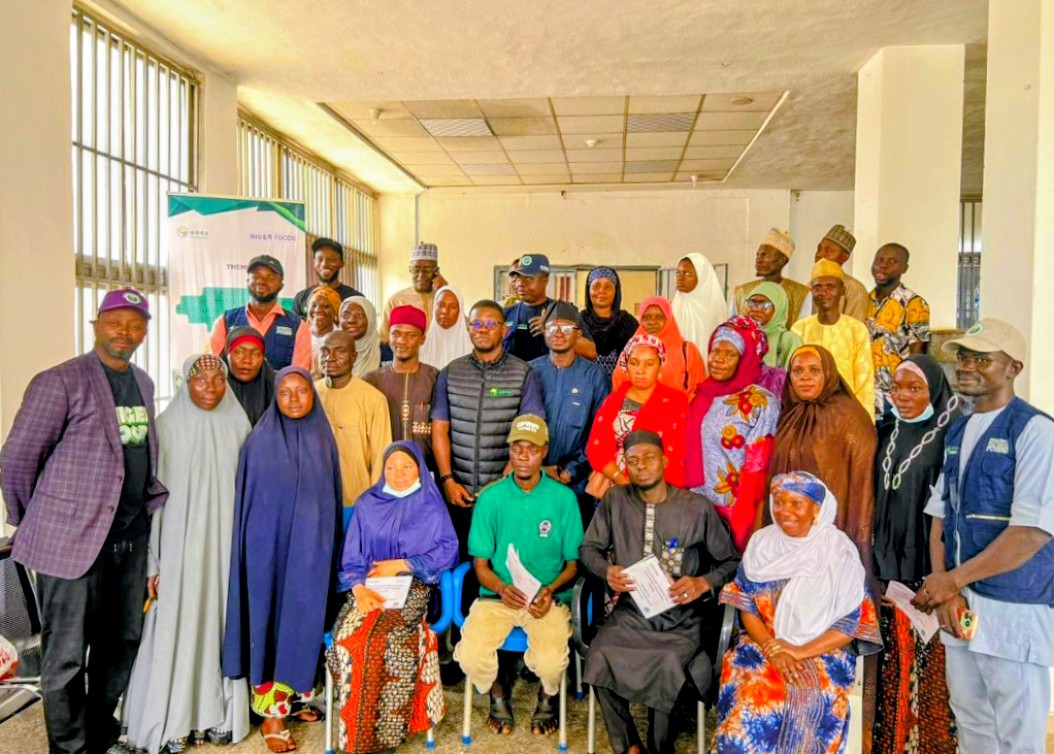
This program was unveiled during a one-day workshop held at the Niger Foods office in Minna, emphasizing the Risk Assessment System for Rice Farm Production, based on the Hazard Analysis and Critical Control Point (HACCP) framework.
The HACCP training aligns with the standards set by the Codex Alimentarius Food Hygiene guidelines, as established by the Joint FAO/WHO Food Standards Programme (CAC/RCP 1-1969, Rev 3 (1997), amended 1999).
Rice farmers in Niger Foods are being trained to identify potential hazards and implement measures to ensure food safety. The HACCP approach enables hazard identification and the establishment of critical control points throughout the rice production process, facilitating risk mitigation.
This initiative involves a systematic review of all cultivation stages to identify microbiological, chemical, and physical hazards, and the setting of critical control measures to uphold safety and quality.
Demonstrating Niger State’s commitment to agricultural modernization, this effort underscores the leadership of Governor Umaru Mohammed Bago in positioning rice as a vital export product.
The collaboration aims to foster consumer confidence, promote sustainable farming practices, and strengthen Niger State’s competitiveness in the global rice market.
Representatives from SON, Adamu Mohammed Aminu and Sanusi Yusuf, commended the partnership, describing the training as a milestone in food safety and quality assurance along the rice value chain. They reaffirmed SON’s resolve to equip farmers with the necessary skills and tools to comply with HACCP standards, essential for access to both domestic and international markets.
Participants also received practical instruction on key quality control instruments, including moisture meters and weighing scales, vital for precise measurements, reducing post-harvest losses, and ensuring compliance with market requirements.