
2026 Budget Presentation and the Consequences of a Rubber Stamp State Assembly.
COMMENTARY
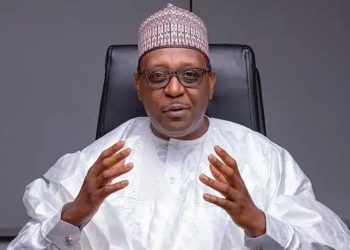
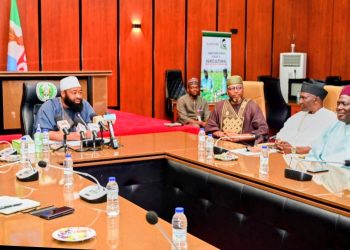
On Friday, 12th December 2025, the Niger State Governor, Mohammed Umar Bago, presented the 2026 Budget Estimate to the Niger State House of Assembly. The proposed budget, titled “Budget of Consolidation,” stands at a total of One Trillion, Thirty-One Billion, Nine Hundred and Forty-One Million, Three Hundred and Thirty-Five Thousand, Eight Hundred and Ninety-Five Naira.
According to the Governor, the 2026 budget was designed to sustain the foundations already laid for a resilient, inclusive, and sustainable future for Niger State. He stated that the revenue projections are based on realistic expectations from Federation Account Allocations, Value Added Tax, Internally Generated Revenue, grants, and Public-Private Partnerships.
However, the success and realizability of any budget do not rest solely on its presentation, but largely on the effectiveness of the State House of Assembly in its constitutional duty of thorough scrutiny, constructive input, and oversight.
Unfortunately, when a legislature entrusted with monitoring governance demonstrates an apparent inability or unwillingness to hold the executive accountable, it becomes not only embarrassing but also counterproductive to the development of the state.
Budget presentation is merely one phase of the process. Scrutiny, passage, and assent are equally important, but budget implementation remains the most critical stage. It is at this point that funds must be judiciously applied to their intended purposes in order to prevent diversion, misappropriation, and other corrupt practices.
Therefore, the swift passage of a budget within one week and its immediate assent into law raise serious concerns about legislative diligence, especially in the absence of detailed sectoral budget breakdowns during the presentation. This situation speaks volumes about the quality of governance being practiced in Niger State.
Despite these concerns, the Governor’s presentation of the 2026 budget has once again raised the hopes of Nigerlites. He acknowledged that the path to sustainable growth and prosperity is neither straightforward nor linear, but one that requires courage, discipline, and unity of purpose. He described the budget as a roadmap towards a “New Niger,” aimed at inclusive development, economic resilience, growth, and social justice.
Governor Bago further appealed to citizens and lawmakers alike to use this opportunity to build a secure, green, and prosperous Niger State. However, questions remain regarding the persistent security challenges confronting the state. While the Governor assured that collective efforts would overcome these challenges, the reality on ground continues to test such assurances.
Several unanswered questions linger in the minds of many Nigerlites, particularly regarding the level of implementation of the 2025 budget. What percentage of projects are ongoing, completed, or abandoned across cities, towns, and rural communities? What is the position of the Niger State House of Assembly on its constitutional oversight responsibilities? And how effectively has it engaged the executive on issues of borrowing and public expenditure?
Indeed, the activities of a rubber-stamp legislature can either strengthen or weaken governance. The legislative arm of government is constitutionally mandated to provide checks and balances. When this responsibility is neglected, it creates an enabling environment for corruption, misappropriation of public funds, lack of accountability, and institutional decay.
While admitting to being a rubber-stamp legislature may not be unprecedented, the betrayal of public trust should not be overlooked. Lawmakers must remember that they are accountable to the electorate and will inevitably return to them for re-election or political relevance. Legislators are expected to be the voices of the voiceless, the poor, and the marginalized—not mere extensions of the executive.
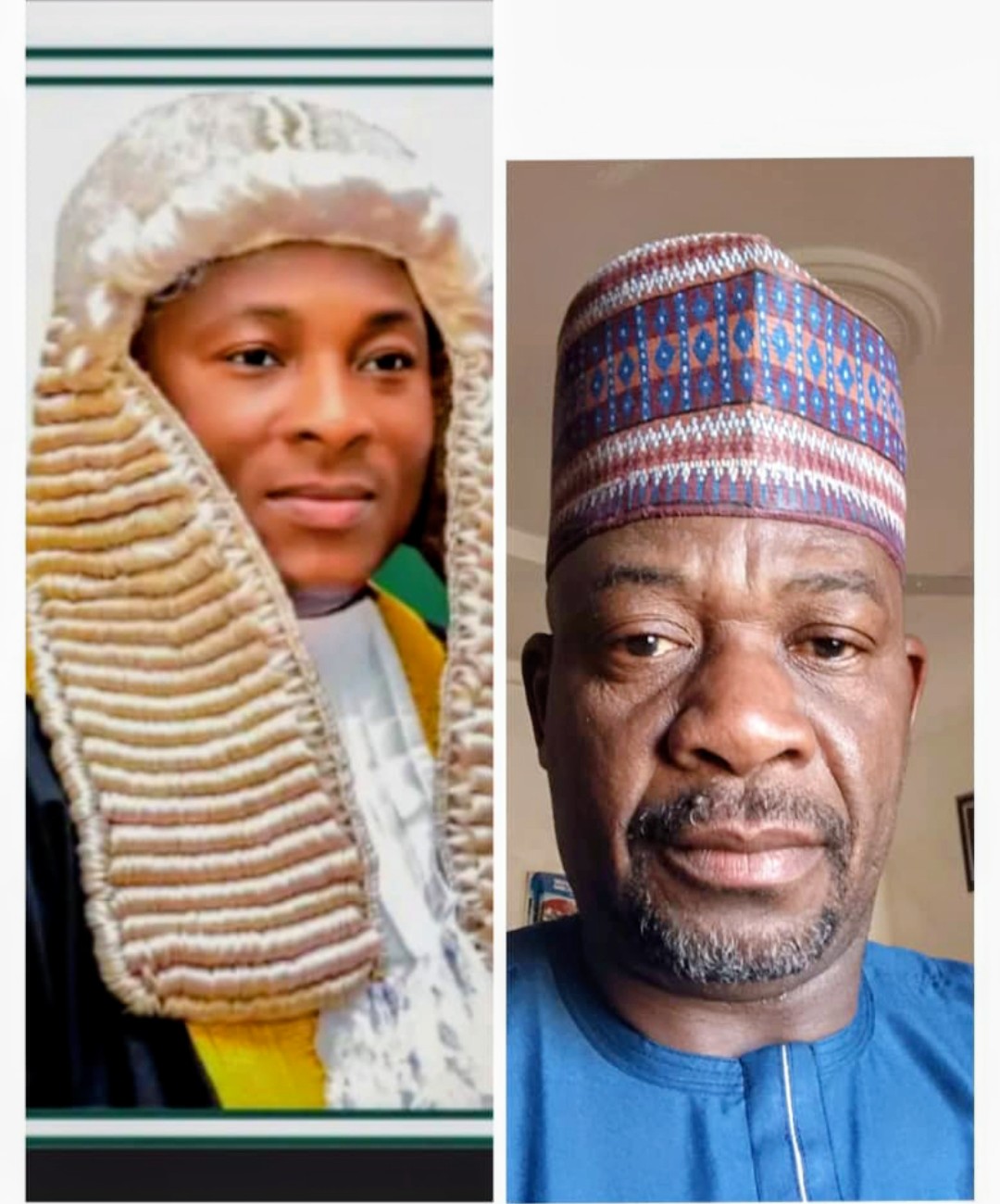
After the presentation of the 2026 Appropriation Bill by the governor at the Assembly Complex in Minna, the Speaker of the Niger State House of Assembly, Barrister Mohammed Abdulmalik Sarkin-Daji, in a lengthy address, praised the All Progressives Congress administration for what he described as a harmonious working relationship between the executive and legislative arms of government.
In a controversial statement, however, the Speaker openly acknowledged that the 10th Niger State House of Assembly had chosen to be a rubber stamp to the Governor. In his words, “For those who wish to call us a rubber stamp, continue to do so; our ears are blocked.”
He further emphasized that no amount of criticism would deter the Assembly from supporting Governor Mohammed Umar Bago, urging the Governor to ignore dissenting voices and remain focused. The Speaker assured that the Assembly stands firmly with the Governor in delivering democratic dividends, expressing confidence that history would vindicate the administration. He pledged continued legislative support to strengthen governance, institutions, and accelerate development.
The Speaker also highlighted the cordial relationship between the executive and the legislature, assuring that the 2026 budget would be passed within one week, as was the case in the previous year—a development many observers argue has contributed to the present state of unchecked governance in Niger State.
This commentary written by Yakubu Mustapha Bina a Journalist and Analyst from Minna, on the 2026 Budget Presentation and the Consequences of a Rubber-Stamp State Assembly.