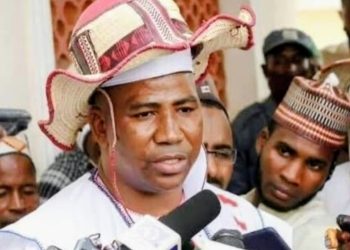

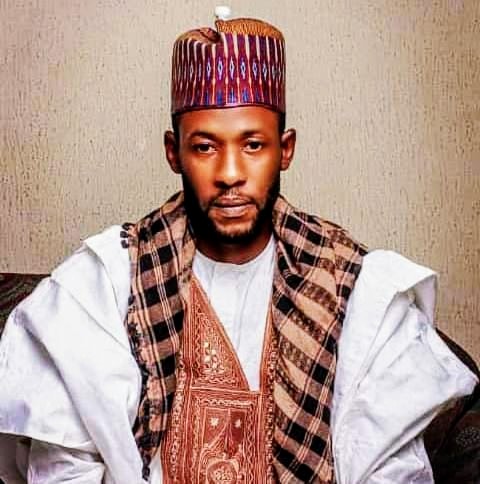

Gov. Bago’s position is on track: Islam encourages peace & peace must remain our collective responsibility- Ustaz Zakari
The public discourse surrounding Governor Mohammed Umaru Bago’s recent remarks on religious preaching in Niger State has prompted significant debate among residents, religious authorities, and stakeholders.
While some express concerns about the governor’s stance, many view his comments within the larger framework of promoting peace, unity, and security across the region.
Niger State has long been celebrated as a model of peaceful coexistence among diverse religious, ethnic, and cultural groups. Preserving this legacy is a shared responsibility among government officials, religious leaders, traditional authorities, community organizations, and citizens alike.
Governor Bago’s call for restraint against sermons that foment hatred, division, or extremism has garnered attention. Experts clarify that his remarks were not aimed at any particular faith or denomination but rather at discouraging messages that threaten social harmony.
Legal and security analysts assert that such stance aligns with the state’s constitutional duty to protect lives and property, uphold law and order, and foster societal unity. They emphasize that places of worship should be platforms for promoting peace and mutual understanding.
Religious scholars, especially within Islam, are recognized as moral custodians whose roles include guiding attitudes, fostering peaceful coexistence, and reinforcing communal values, which are essential to societal stability.
Islamic teachings advocate wisdom, moderation, justice, and compassion. The Holy Qur’an encourages believers to invite others to the path of Allah with good counsel and to promote unity among followers and the broader community.
Stakeholders advocate that sermons should emphasize core values such as honesty, charity, respect, peaceful coexistence, and rejection of violence and corruption. Such principles are vital for moral development and social cohesion.
Caution in the intersection of religion and politics is also advised. Religious leaders are encouraged to offer advice responsibly, promoting dialogue rather than hostility.
Simultaneously, efforts to sustain peace should be complemented by government initiatives addressing insecurity, unemployment, education, healthcare, infrastructure, and other socio-economic issues. Peace and development are interconnected, with each reinforcing the other.
As discussions continue, many call for a balanced reading of Governor Bago’s remarks. His comments should not be interpreted as restrictions on religious freedom but as a call for responsible religious expression that advances peace and unity.
To promote social harmony further, stakeholders recommend strengthening collaborations between government agencies and religious institutions, emphasizing tolerance, responsible preaching, civic responsibility, and peaceful political discourse.
Ultimately, maintaining peace is a collective effort. Leadership, responsible religious practice, measured political rhetoric, and societal rejection of extremism are essential. Only through such concerted actions can Niger State sustain its reputation as a peaceful, united society and achieve continued development.