
Idris Malagi Calls on Bloggers to Promote Responsible Journalism and Safeguard Nigeria’s Image
By Yahaya Zakka
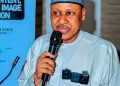
The Minister of Information and National Orientation, Alhaji Mohammed Idris, has urged Nigerian bloggers, online publishers, and digital content creators to practice responsible journalism by emphasizing accuracy, professionalism, and ethics in their reporting, especially in an era of rapid information flow.
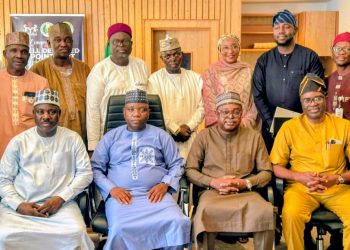
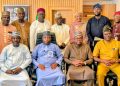
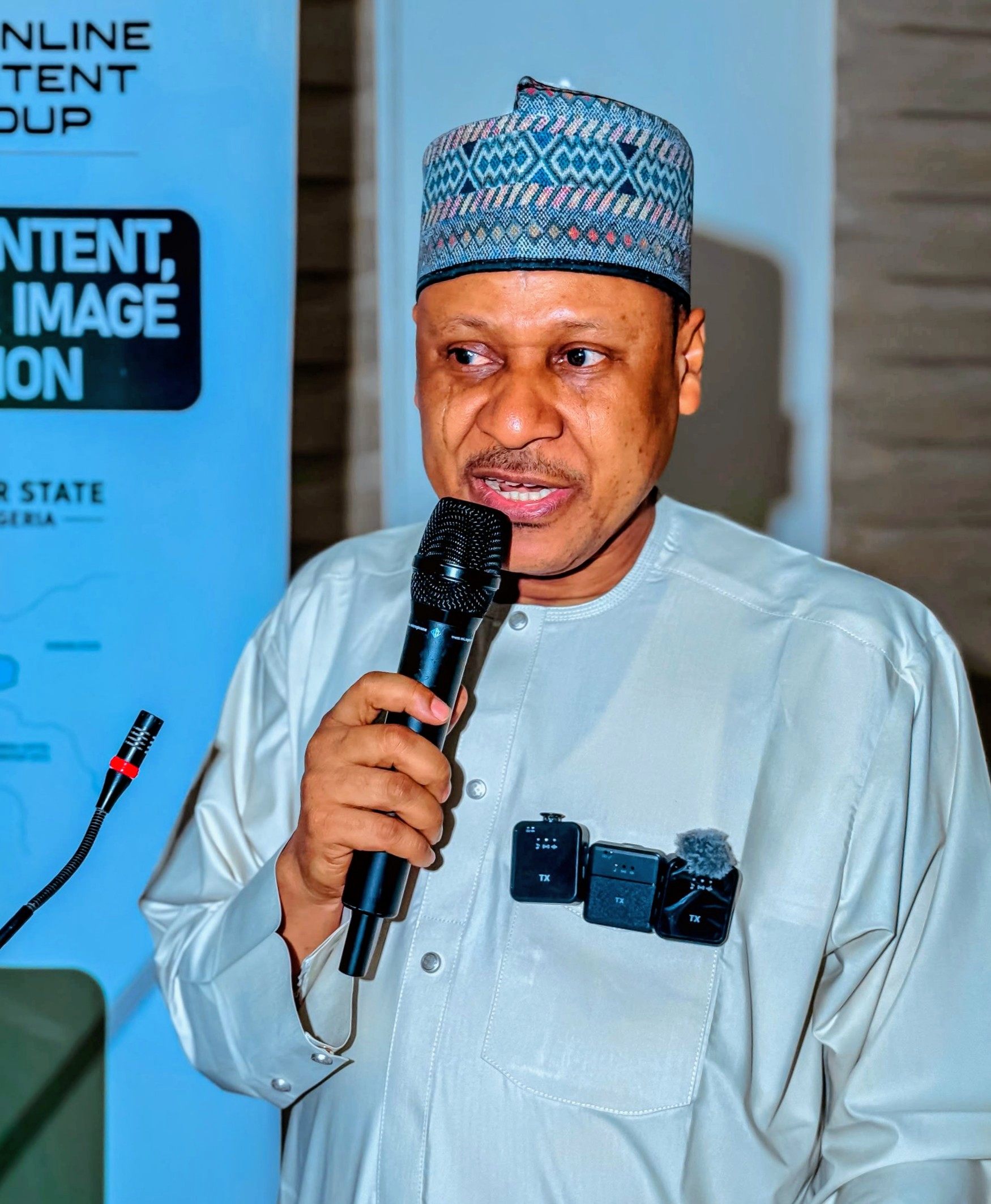
This appeal was made during a one-day seminar for members of Niger State Bloggers, Online Publishers, and Content Developers held at Zeus Paradise Hotel in Mabushi, Abuja.
Under the theme “Blogging and Content: The Legality and Image of Our Nation,” the event brought together digital media practitioners, government representatives, communication experts, and legal professionals to discuss the growing influence of online platforms and their associated responsibilities.
Addressing attendees, Mohammed Idris stressed that bloggers and content creators now play a key role in Nigeria’s information landscape, shaping public opinion, influencing national discourse, and affecting Nigeria’s image both locally and internationally.
He encouraged practitioners to avoid publishing unverified information in their rush to break news, emphasizing that credibility is the most valuable asset for any media organization.
“Professionalism, accuracy, and ethical conduct must be the guiding principles of digital journalism,” stated the Minister. He added that responsible reporting should aid national development without sacrificing truth or accountability.
He also pointed out that patriotism and constructive criticism complement each other. While the media has the duty to hold leaders accountable, this must be done fairly, responsibly, and within the law.
Reaffirming the Federal Government’s commitment, the Minister, a veteran newspaper publisher, highlighted ongoing efforts to strengthen collaboration with media stakeholders to build a more informed and responsible society.
Senior Special Assistant to the President on Print Media, Mallam Abdulaziz Abdulaziz, emphasized the importance of responsible communication in strengthening democracy, promoting national unity, and maintaining public trust.
The seminar featured technical sessions led by experienced media and legal professionals. One of the speakers, investigative journalist Umar Audu, discussed responsible digital publishing and warned against practices that could lead to legal issues.
Audu noted that the rapid expansion of digital media has blurred the lines between journalism, blogging, content creation, and social media influence. He emphasized the importance of understanding the specific roles, legal responsibilities, and ethical standards in each area.
Participants also benefited from a legal presentation by Rahmatu Alhasaan, representing Prof. A. A. Adegboke (SAN), which examined the legal implications of online publishing and urged adherence to existing laws.
Yahaya Mohammed Usman urged digital media practitioners to responsibly exercise their constitutional right to free expression, reminding them that every right entails the duty to respect others’ rights.
“Where your rights end, another’s begin,” he said.
He advised bloggers and content creators to be mindful of the image they project about their communities, states, and the nation, emphasizing that publications influence societal perceptions.
“You may dislike the President, the Governor, or even your Local Government Chairman, but you should love your community, your state, and your country. Leaders come and go, but the nation remains,” he stated.
Yahaya clarified that promoting responsible digital media is not about silencing dissent but about encouraging lawful, respectful, and free expression devoid of personal attacks that could lead to defamation suits.
He called on participants to use their platforms to foster constructive dialogue, promote unity, and contribute positively to Nigeria’s development.
The seminar was organized by Nurudeen Isyaku Daza, whose efforts in bringing together bloggers, online publishers, content creators, and government officials for meaningful engagement received wide praise.
Many regarded it as a timely initiative, especially as digital platforms increasingly influence information sharing in Nigeria.
Participants attended sessions on ethical journalism, fact-checking, media regulation, content verification, and strategies to combat misinformation, disinformation, and fake news in the digital age.
They expressed hope that such gatherings would promote professionalism and strengthen government–media partnerships to support Nigeria’s growth.