

Tensions Rise Within White House Over Iran Conflict Strategy.
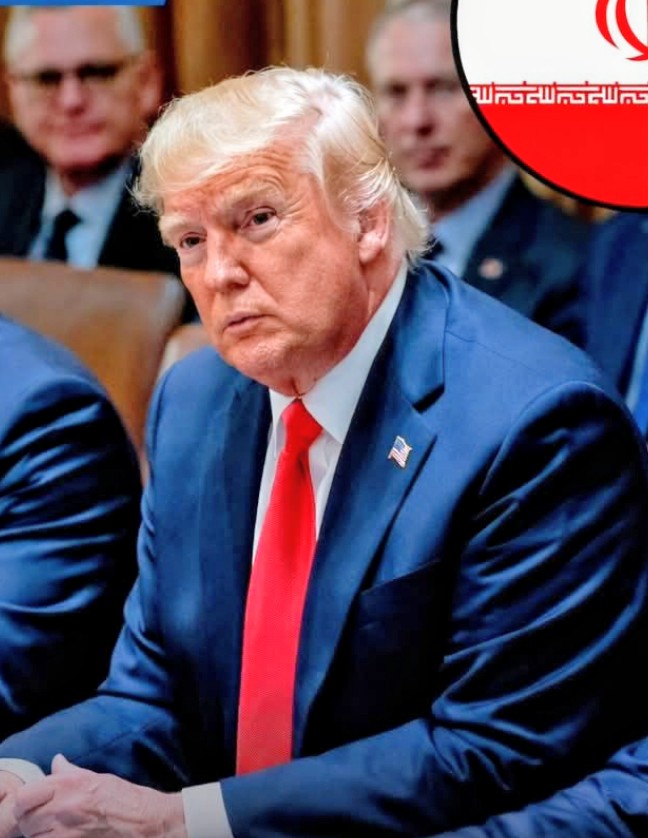
Deepening divisions inside the White House are emerging as senior advisers reportedly urge President Donald Trump to shift focus from military escalation to diplomacy after nearly two weeks of intense strikes against Iran.
Officials familiar with internal discussions reveal that some cabinet members now fear the conflict could trigger long-term economic shocks and destabilize critical global energy routes.
Calls for a ceasefire are driven by advisers who believe the primary military objectives may have already been achieved. Preliminary assessments indicate that a significant portion of Iran’s missile launch capacity and naval strike capabilities have been substantially degraded. Some officials argue that the strategic balance may have already shifted.
Despite these recommendations, Trump has publicly stated that any decision to end the conflict must be coordinated with Israeli Prime Minister Benjamin Netanyahu.This underscores Washington’s close alignment with Israel and suggests that de-escalation without regional agreement is unlikely.
Financial markets have responded sharply to these mixed signals. Oil prices have fluctuated amid traders’ uncertainties about whether the conflict will de-escalate or escalate, especially around the strategic Strait of Hormuz, where disruptions could impact global energy supplies.
As discussions continue, pressure is mounting from European partners concerned about rising fuel costs and economic instability. Ultimately, the future course of U.S. policy will depend on upcoming battlefield reports and whether military planners believe further operations would significantly alter the strategic landscape.