
Plateau Government to Implement New Jos Greater Master Plan Amid Praise from Sylvanus Dongtoe
By Yakubu Busari
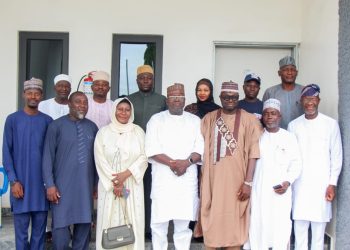
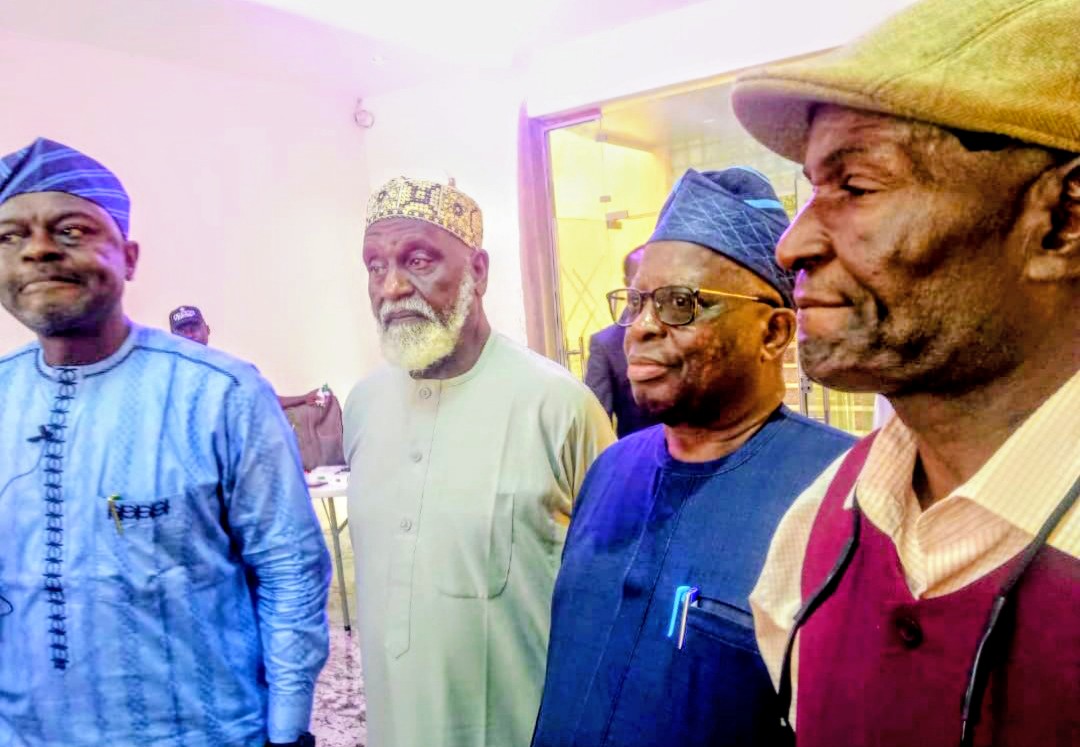
The Ministry of Housing and Urban Development of Plateau State has convened a one-day stakeholder engagement to enhance dialogue among key actors in the development of the “Greater Jos Master Plan” for 2025-2050. The initiative aims to review inclusion, infrastructure, and trust components.
During the event at the Millennium International Event Center, opposite Solomon Daushep Lar Amusement Park, Commissioner Hon. Sylvanus Dongtoe emphasized that the new master plan will address critical issues such as insecurity, transportation, environmental concerns, and infrastructural development.
Dongtoe highlighted the collaborative effort involving Max Lock International Associates (UK), Nigeria, Stee Consult Ltd, and Archiplan International Ltd, stating, “The Ministry of Housing and Urban Development, in partnership with these organizations, is developing an inclusive framework where all stakeholders contribute to rebuilding a sustainable city through synergy.”
He urged participants to commit to the economic growth of the city and the government’s expansion agenda, emphasizing the importance of addressing infrastructural needs.
The Commissioner commended Governor Caleb Mutfwang for initiating this comprehensive planning process that brings stakeholders together for discussion. He expressed satisfaction with the approach of fostering collaboration to resolve ongoing security challenges.
Public interface sessions are being held to ensure community engagement, allowing residents to listen, understand the need for development, and address concerns about potential demolitions.
Dongtoe explained that insecurity in Jos is a primary concern, and the interactive sessions aim to identify infrastructure gaps, including roads, water, schools, and hospitals, within the city.
He stressed that poor planning has hindered daily activities, such as movement for market women, and outlined the government’s goal to elevate Jos to international standards as a modern, globally acceptable city.
This engagement marks a significant milestone in shaping a sustainable, inclusive, and economically vibrant Greater Jos.
He emphasized the importance of establishing effective communication channels throughout the planning process, noting that this is a collaborative initiative rather than mere consultation.
The need for a new Master Plan stems from rapid population growth and urban expansion. In 1972, the population was approximately 170,000 to 180,000; by 2008, it had grown to about 1.3 million according to census projections. Current estimates suggest a population between 2.2 million and 2.6 million, exerting increased pressure on infrastructure and services.
The city has also seen the emergence of informal settlements such as Gangare, Angwan Rukuba, Angwan Rogo, Dilimi, Farin Gada, Angwan Miango, Kugiya, and Hwolshe.
Environmental degradation and climate risks, including building along waterways, waste disposal issues, construction without setbacks, and vegetation destruction, further complicate development.
There is a pressing need to reposition Jos as a hub for tourism, commerce, and innovation.
Existing planning frameworks are outdated; the 1972 plan is no longer relevant given current development trends, and the 2008 plan was never legislated.
The master plan aims to foster economic growth, sustainable development, improved livability, infrastructural expansion, secure habitats, social equity, and digital mapping.
The development of the Greater Jos Master Plan follows a structured, participatory process involving several key stages.