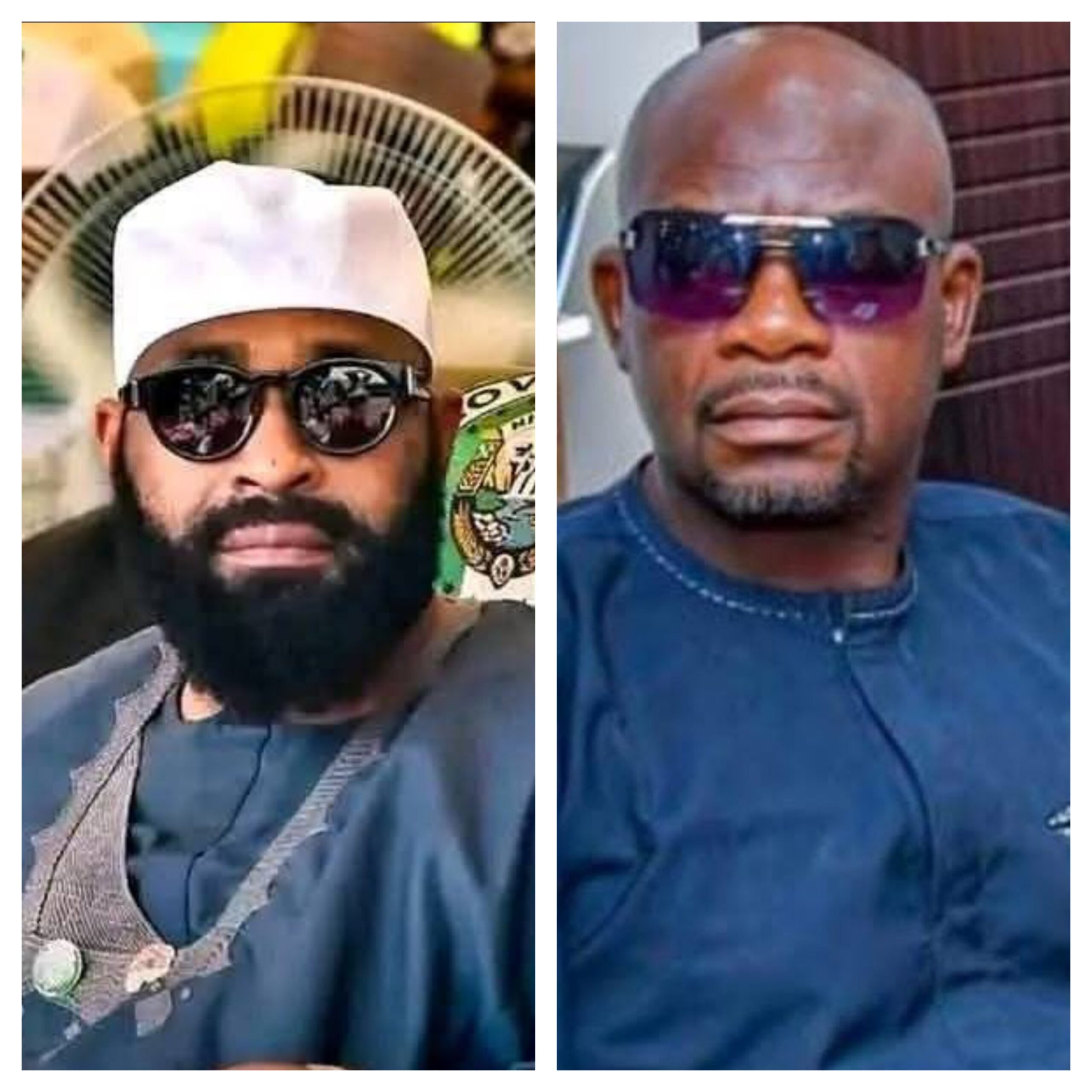

2027 Gubernatorial Election Will Shape or Mar Niger State’s Future.
COMMENTARY
By Yakubu Mustapha Bina
Governor Mohammed Umar Bago of Niger State was sworn into office on 29th May 2023 after being declared winner by the Independent National Electoral Commission (INEC), having scored the highest number of votes as required by electoral law. He swung into action with his New Niger Agenda, a policy thrust aimed at delivering the dividends of democracy to the electorate.
The agenda is anchored on four pillars: improved livelihoods, urban renewal and infrastructure, a sustainable economy, and good governance—aimed at redefining progress across the state.
As Nigerlites, Nigerians, and members of the global community celebrate the year 2026 in grand style, political activities are expected to intensify with consultations, alignments, realignments, and coalition-building ahead of the 2027 general elections at all levels. Reports already indicate rising political tension in Niger State and across Nigeria, judging by ongoing alignments and coalitions.
The nation appears to be preparing for another political tsunami similar to that which ushered in the first tenure of late President Muhammadu Buhari, when many Governor’s, Senators , House of Representatives, States Assembly members and the PDP were defeated by the All Progressives Congress (APC)
However, the negative perceptions of the present APC-led government under Governor Mohammed Umar Bago began shortly after his inauguration, particularly when he declared that his administration would not focus on the traditional “100 days in office” achievements.
Comparatively, late Governor Abdulkadir Abdullahi Kure connected over 100 communities to the national grid within his first 100 days, while Governor Abubakar Sani Bello declared Minna and other cities pothole-free during the same period. This raises a critical question: are Nigerlites prepared to end continuous political gimmicks, manipulation, and the misuse of zoning formulas that have caused division and often resulted in the emergence of incompetent leaders with little to offer the people? This situation calls for sober reflection and a retracing of steps toward better options that promote unity, peace, and stability.
Governor Mohammed Umar Bago, a graduate of Political Science, has shown how far he can go in over two years in office, especially in addressing numerous abandoned projects across the state that clearly require urgent intervention. He previously demonstrated political skill during his twelve years in the House of Representatives, representing Chanchaga Federal Constituency—the smallest constituency in Niger State. As the adage goes: “You can fool some people sometimes, but you cannot fool the whole people at all the time.”
Niger State, created in 1976, is now fifty years old and remains the largest state in Nigeria, covering about 76,000 square kilometres—approximately ten percent of the nation’s total landmass. The state is richly endowed with vast arable land suitable for diverse agricultural activities and possesses solid mineral resources such as lithium, gold, brass, and others.
With 25 local government areas, numerous ethnic groups, a population of over four million people, the longest river in Africa, and four hydroelectric power generating dams, Niger State has enormous potential. What the state lacks is not resources, but focused, visionary, courageous, and committed leadership capable of driving development to enviable heights.
Niger State has suffocated under many years of APC leadership, although opportunities still exist to adjust swiftly and reposition the state for progress. The question remains: do we consciously or unconsciously have leaders with the commitment, zeal, and passion to change the narrative? How long will citizens continue to hear appeals for patience, support, and understanding without tangible solutions to persistent problems? A word is enough for the wise.
Can Niger State continue repeating the same mistakes, or has it learned from past failures and is now ready to make better decisions—like some southern states where moneybag politics is increasingly resisted? Nigerlites have observed the performance of the current administration and will ultimately decide its fate in the 2027 governorship election. While the ruling APC appears determined to keep the PDP in crisis, the African Democratic Congress (ADC) is also emerging nationwide as an alternative political platform ahead of the 2027 polls. The choice belongs to the people.
Niger State needs a visionary, calm, dogged, competent, patient, listening, patriotic, intelligent, and result-oriented leader with integrity—one who can judiciously manage the billions of naira accruing to the state rather than waste or mismanage public funds. The state must avoid greedy, autocratic, and undemocratic leaders incapable of steering its affairs toward sustainable development across political, social, and economic spheres.
What kind of leaders are we producing in today’s society? The answer lies with the electorate.
Political rhetoric must give way to genuine developmental ideals that foster real growth across all sectors. Niger State deserves better.
Governance should be decentralized to allow institutions to function smoothly, while ensuring effective monitoring, supervision, and evaluation. Niger State needs leaders who seek innovative ways to generate revenue rather than operating corrupt systems that impose excessive taxes, worsening economic and social hardship for the masses. Electorates, especially in Niger State, must rethink their choices ahead of the next general elections.
As the 2027 elections draw closer, Nigerlites must rise above blind party loyalty and vote for candidates of proven capacity and character, regardless of political affiliation. The state needs leaders who will serve the people, not those driven by self-aggrandizement, favoritism, or cronyism. One must ask: where did Niger State go wrong despite having prominent technocrats, business moguls, engineers, and administrators spread across the country?
Therefore, as political parties continue to emerge ahead of the 2027 general elections in Niger State and Nigeria at large, the electorate—especially the youth—must be wise. After years of deception, poor governance, hardship, insecurity, and backwardness driven by greed and incompetence, the people must speak with one voice. They must come out en masse to take their destiny into their hands and vote for credible leaders capable of moving Niger State out of its current doldrums in 2027.
That is a COMMENTARY written by Yakubu Mustapha Bina a Journalist and Analyst Minna, On how the 2027 Gubernatorial Election will Shape or Mar Niger State’s future.