

Niger State Speaker Advocates for Strengthened Role of Traditional Institutions in National Development
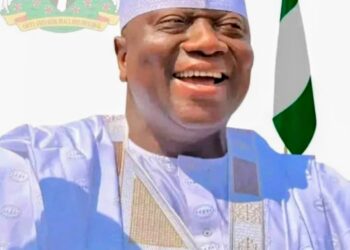
In a pivotal call for the empowerment of traditional institutions, the Speaker of the Niger State House of Assembly, Rt. Hon. Abdulmalik Sarkindaji, emphasized the importance of defining a clear role for these bodies in contributing to national development and addressing pressing security challenges.
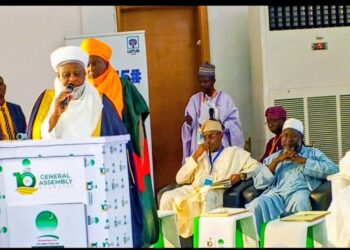
The Speaker made these remarks on Friday during a ceremony in New Bussa, Borgu Local Government Area, where he was honored with the traditional title of Dokajin of Borgu Kingdom by His Royal Highness, the Emir of Borgu, Alhaji Mohammed Sani Haliru Dantoro (Kitoro IV). This event was part of the celebrations marking the Emir’s 10th anniversary on the throne.
Sarkindaji articulated that traditional rulers, as custodians of cultural heritage, have a crucial role to play in grassroots development. He stated, “A clear and well-defined role for traditional institutions will enable them to contribute meaningfully to national progress, particularly in local security efforts and community policing initiatives.”
Highlighting the current security situation in Nigeria, he underscored the necessity for legislative support from state assemblies to formalize the roles of traditional leaders. Sarkindaji insisted, “For traditional rulers to effectively address these challenges, there must be legislation that delineates their responsibilities.”
Despite the lack of formal roles in many areas, he acknowledged the vital contributions of traditional institutions in maintaining law and order, mediating conflicts, and fostering social and economic development at the local level. He noted, “They serve as a bridge between communities and the government, preserving cultural heritage while advising elected officials on key issues.”
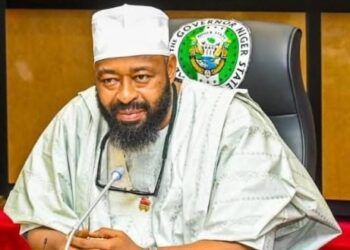
The ceremony also included other distinguished guests, such as state Governor Umaru Mohammed Bago, former governors, ministers, and members of both the National and State Assemblies, who were conferred with various traditional titles in recognition of their contributions to the kingdom.
This event not only marked a significant milestone for the Emir but also reinforced ongoing discussions about the relevance of traditional institutions in contemporary Nigerian society.